

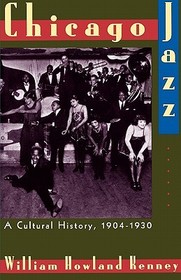
Chicago Jazz
A Cultural History, 1904-1930
-
10% KEDVEZMÉNY?
- A kedvezmény csak az 'Értesítés a kedvenc témákról' hírlevelünk címzettjeinek rendeléseire érvényes.
- Kiadói listaár GBP 22.99
-
10 379 Ft (9 885 Ft + 5% áfa)
Az ár azért becsült, mert a rendelés pillanatában nem lehet pontosan tudni, hogy a beérkezéskor milyen lesz a forint árfolyama az adott termék eredeti devizájához képest. Ha a forint romlana, kissé többet, ha javulna, kissé kevesebbet kell majd fizetnie.
- Kedvezmény(ek) 10% (cc. 1 038 Ft off)
- Kedvezményes ár 9 341 Ft (8 897 Ft + 5% áfa)
Iratkozzon fel most és részesüljön kedvezőbb árainkból!
Feliratkozom
10 379 Ft

Beszerezhetőség
Megrendelésre a kiadó utánnyomja a könyvet. Rendelhető, de a szokásosnál kicsit lassabban érkezik meg.
Why don't you give exact delivery time?
A beszerzés időigényét az eddigi tapasztalatokra alapozva adjuk meg. Azért becsült, mert a terméket külföldről hozzuk be, így a kiadó kiszolgálásának pillanatnyi gyorsaságától is függ. A megadottnál gyorsabb és lassabb szállítás is elképzelhető, de mindent megteszünk, hogy Ön a lehető leghamarabb jusson hozzá a termékhez.
A termék adatai:
- Kiadó OUP USA
- Megjelenés dátuma 1995. január 26.
- ISBN 9780195092608
- Kötéstípus Puhakötés
- Terjedelem256 oldal
- Méret 140x213x15 mm
- Súly 340 g
- Nyelv angol 0
Kategóriák
Rövid leírás:
In Chicago Jazz, William Howland Kenny offers a wide-ranging look at jazz in the Windy City, revealing how Chicago became the major centre for jazz in the 1920s, one of the most vital periods in the history of the music.
TöbbHosszú leírás:
In Chicago Jazz, William Howland Kenny offers a wide-ranging look at jazz in the Windy City, revealing how Chicago became the major centre for jazz in the 1920s, one of the most vital periods in the history of the music. He describes how the migration of blacks from the South to Chicago before and after World War I set the stage for the development of jazz in Chicago, and how nightclubs and cabarets became the social setting for aficionados and musicians, black and white.
In an examination of such well known greats as Louis Armstrong and King Oliver, Kenney sheds new light on the musical and cultural context in which jazz developed. And he travels beyond the South Side of Chicago to examine the evolution of white jazz and the influence of the South Side school on young players.
Drawing on the personal recollections of many who experienced the influence of the Jazz Age. as well as historical texts, Kenney presents a new interpretation of Chicago Jazz that shows the influence of race, culture, and politics on its development.
William Howland Kenney ... writes vividly and effectively ... Chicago Jazz remains the definitive account for the foreseeable future

