
• Kapcsolat

  • Hírlevél

  • Rólunk

  • Szállítási lehetőségek

  • Prospero könyvpiaci podcast

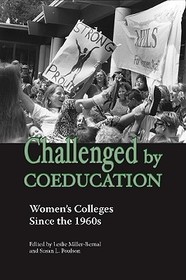
  • Challenged by Coeducation – Women`s Colleges Since the 1960s: Women's Colleges Since the 1960s

    Challenged by Coeducation – Women`s Colleges Since the 1960s by Miller–bernal, Leslie; Poulson, Susan L.;

    Women's Colleges Since the 1960s

      • 10% KEDVEZMÉNY?

      • A kedvezmény csak az 'Értesítés a kedvenc témákról' hírlevelünk címzettjeinek rendeléseire érvényes.
      • Kiadói listaár GBP 32.00
      • Az ár azért becsült, mert a rendelés pillanatában nem lehet pontosan tudni, hogy a beérkezéskor milyen lesz a forint árfolyama az adott termék eredeti devizájához képest. Ha a forint romlana, kissé többet, ha javulna, kissé kevesebbet kell majd fizetnie.

        15 288 Ft (14 560 Ft + 5% áfa)
      • Kedvezmény(ek) 10% (cc. 1 529 Ft off)
      • Kedvezményes ár 13 759 Ft (13 104 Ft + 5% áfa)

    15 288 Ft

    db

    Beszerezhetőség

    Még nem jelent meg, de rendelhető. A megjelenéstől számított néhány héten belül megérkezik.

    Why don't you give exact delivery time?

    A beszerzés időigényét az eddigi tapasztalatokra alapozva adjuk meg. Azért becsült, mert a terméket külföldről hozzuk be, így a kiadó kiszolgálásának pillanatnyi gyorsaságától is függ. A megadottnál gyorsabb és lassabb szállítás is elképzelhető, de mindent megteszünk, hogy Ön a lehető leghamarabb jusson hozzá a termékhez.

    A termék adatai:

    • Kiadó University of Chicago Press
    • Megjelenés dátuma 2026. március 25.
    • Kötetek száma Paperback

    • ISBN 9780826515438
    • Kötéstípus Puhakötés
    • Terjedelem392 oldal
    • Méret 228x152 mm
    • Súly 700 g
    • Nyelv angol
    • Illusztrációk 25 photographs, index
    • 700

    Kategóriák

    Rövid leírás:

    Women's colleges originated in the mid-nineteenth century as a response to women's exclusion from higher education. Women's academic successes and their persistent struggles to enter men's colleges resulted in coeducation rapidly becoming the norm, however. This book details the responses of women's colleges to this wave of coeducation.

    Több

    Hosszú leírás:

    Women's colleges originated in the mid-nineteenth century as a response to women's exclusion from higher education. Women's academic successes and their persistent struggles to enter men's colleges resulted in coeducation rapidly becoming the norm, however. Still, many prestigious institutions remained single-sex, notably most of the Ivy League and all of the Seven Sisters colleges. In the mid-twentieth century colleges' concerns about finances and enrollments, as well as ideological pressures to integrate formerly separate social groups, led men's colleges, and some women's colleges, to become coeducational. The admission of women to practically all men's colleges created a serious challenge for women's colleges. Most people no longer believed women's colleges were necessary since women had virtually unlimited access to higher education. Even though research spawned by the women's movement indicated the benefits to women of a ""room of their own,"" few young women remained interested in applying to women's colleges. ""Challenged by Coeducation"" details the responses of women's colleges to this latest wave of coeducation. Case studies written expressly for this volume include many types of women's colleges - Catholic and secular; Seven Sisters and less prestigious; private and state; liberal arts and more applied; northern, southern, and western; urban and rural; independent and coordinated with a coeducational institution. They demonstrate the principal ways women's colleges have adapted to the new coeducational era: some have been taken over or closed, but most have changed by admitting men and thereby becoming coeducational, or by offering new programs to different populations. Some women's colleges, mostly those that are in cities, connected to other colleges, and prestigious with a high endowment, still enjoy success. Despite their dramatic drop in numbers, from 250 to fewer than 60 today, women's colleges are still important, editors Miller-Bernal and Poulson argue. With their commitment to enhancing women's lives, women's colleges and formerly women's colleges can serve as models of egalitarian coeducation.

    Több
    0