

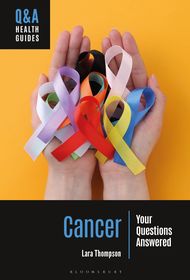
-
13% KEDVEZMÉNY?
- A kedvezmény csak az 'Értesítés a kedvenc témákról' hírlevelünk címzettjeinek rendeléseire érvényes.
- Kiadói listaár GBP 40.00
-
19 110 Ft (18 200 Ft + 5% áfa)
Az ár azért becsült, mert a rendelés pillanatában nem lehet pontosan tudni, hogy a beérkezéskor milyen lesz a forint árfolyama az adott termék eredeti devizájához képest. Ha a forint romlana, kissé többet, ha javulna, kissé kevesebbet kell majd fizetnie.
- Kedvezmény(ek) 13% (cc. 2 484 Ft off)
- Kedvezményes ár 16 626 Ft (15 834 Ft + 5% áfa)
Iratkozzon fel most és részesüljön kedvezőbb árainkból!
Feliratkozom
19 110 Ft

Beszerezhetőség
Még nem jelent meg, de rendelhető. A megjelenéstől számított néhány héten belül megérkezik.
Why don't you give exact delivery time?
A beszerzés időigényét az eddigi tapasztalatokra alapozva adjuk meg. Azért becsült, mert a terméket külföldről hozzuk be, így a kiadó kiszolgálásának pillanatnyi gyorsaságától is függ. A megadottnál gyorsabb és lassabb szállítás is elképzelhető, de mindent megteszünk, hogy Ön a lehető leghamarabb jusson hozzá a termékhez.
A termék adatai:
- Kiadó Bloomsbury Publishing (UK)
- Megjelenés dátuma 2026. január 8.
- Kötetek száma Hardback
- ISBN 9798765120989
- Kötéstípus Keménykötés
- Terjedelem224 oldal
- Méret 238x160x20 mm
- Súly 540 g
- Nyelv angol
- Illusztrációk 1 bw illus 700
Kategóriák
Rövid leírás:
This approachable guide follows a Q&A format, offering a broad introduction to cancer, including types, risk factors, treatments, and prevention.
TöbbHosszú leírás:
Research suggests that approximately 40% of individuals will be diagnosed with cancer at some point in their lives. While proactive screenings and innovative treatments have improved outcomes for many, cancer remains a leading cause of death around the world.
Part of the Q&A Health Guides series, this book offers a broad introduction to cancer. After several questions addressing the basics of what cancer is and how it develops and spreads, the volume explores the symptoms, demographic trends, risk factors, and prognosis for a variety of cancers The book also includes questions that examine treatment options and prevention strategies. Readers will also find questions offering guidance on how to best support friends and family living with a cancer diagnosis.
Augmenting the main text, a collection of 5 case studies illustrate key concepts and issues through relatable stories and insightful recommendations. The Common Misconceptions section at the beginning of the volume dispels 5 long-standing and potentially harmful myths about cancer, directing readers to additional information in the text. The glossary defines terms that may be unfamiliar to readers, while the directory of resources curates a list of the most useful books, websites, and other materials. Finally, whether they're looking for more information about this subject or any other health-related topic, readers can turn to the Guide to Health Literacy section for practical tools and strategies for finding, evaluating, and using credible sources of health information both on and off the Internet.
Tartalomjegyzék:
"
Series Foreword
Acknowledgements
Introduction
Guide to Health Literacy
Common Misconceptions about Cancer
1. Cancer is a single disease that can appear anywhere in the body
2. Only old people get cancer
3. There are ""superfoods"" or special supplements that can prevent or even cure cancer
4. Living near power lines causes cancer
5. People with dark or tanned skin do not get skin cancer
Questions and Answers
Cancer Basics
1. What is cancer?
2. How common is cancer?
3. How does cancer develop?
4. What role does mutation play in cancer development?
5. What are the hallmarks of cancer?
6. What is a tumor?
7. What is metastasis?
8. What are the different types of cancer?
9. Where in the body can I get cancer, and which cancers are most common?
10. How long have we known about cancer and how was it treated in the past?
11. What is the economic burden of cancer?
Cancer Causes, Risk Factors, and Prevention
12. What causes cancer?
13. What role do lifestyle choices play in cancer risk?
14. Which cancers can be hereditary?
15. Are you more likely to get cancer again if you have had it before?
16. How can you lower your risk of getting cancer?
17. Which cancers are preventable?
18. What are carcinogens?
19. Which demographic groups have the highest risk of developing cancer?
20. What organizations and public health initiatives exist, and how can they help prevent cancer?
Diagnosing Cancer
21. What are the symptoms of cancer?
22. How is cancer found and diagnosed?
23. How does cancer screening work?
24. How is cancer staged?
25. How is cancer graded?
26. Why is it important to find cancer early?
27. What is the prognosis for someone diagnosed with cancer?
28. What are the screening guidelines in the United States?
Treating Cancer
29. Can cancer be cured?
30. How is a treatment plan created?
31. How are tumors removed, and what are the potential side effects?
32. How does radiation work and what are the potential side effects?
33. How does chemotherapy work and what are the potential side effects?
34. How does hormone therapy work and what are the potential side effects?
35. How does immunotherapy work and what are the potential side effects?
36. How does a stem cell or bone marrow transplant work and what are the potential side effects?
37. How does targeted therapy work and what are the potential side effects?
38. How does photodynamic therapy work and what are the potential side effects?
39. What are current cutting-edge cancer treatments?
40. Is complementary or alternative medicine an option?
41. What is the best way to look for cancer information on the internet?
42. What are the long-term health concerns after cancer treatment?
43. What happens if the treatment fails, or if the cancer comes back?
44. What is palliative care and why is it important to consider end of life issues?
45. How can I support someone who has cancer?
46. What is the future direction of cancer research?
Case Studies
1. Talia's Colon Cancer Story
2. Lucas's Hodgkins Lymphoma Story
3. Linda's Melanoma Story
4. Renee's Cervical Cancer Story
5. Max's Glioblastoma Story
Directory of Resources
Glossary
Index
About the Author

