

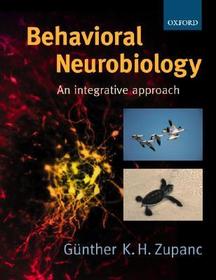
-
10% KEDVEZMÉNY?
- A kedvezmény csak az 'Értesítés a kedvenc témákról' hírlevelünk címzettjeinek rendeléseire érvényes.
- Kiadói listaár GBP 29.99
-
14 327 Ft (13 645 Ft + 5% áfa)
Az ár azért becsült, mert a rendelés pillanatában nem lehet pontosan tudni, hogy a beérkezéskor milyen lesz a forint árfolyama az adott termék eredeti devizájához képest. Ha a forint romlana, kissé többet, ha javulna, kissé kevesebbet kell majd fizetnie.
- Kedvezmény(ek) 10% (cc. 1 433 Ft off)
- Kedvezményes ár 12 895 Ft (12 281 Ft + 5% áfa)
Iratkozzon fel most és részesüljön kedvezőbb árainkból!
Feliratkozom
14 327 Ft

Beszerezhetőség
A kiadónál véglegesen elfogyott, nem rendelhető. Érdemes újra keresni a címmel, hátha van újabb kiadás.
Why don't you give exact delivery time?
A beszerzés időigényét az eddigi tapasztalatokra alapozva adjuk meg. Azért becsült, mert a terméket külföldről hozzuk be, így a kiadó kiszolgálásának pillanatnyi gyorsaságától is függ. A megadottnál gyorsabb és lassabb szállítás is elképzelhető, de mindent megteszünk, hogy Ön a lehető leghamarabb jusson hozzá a termékhez.
A termék adatai:
- Kiadó OUP Oxford
- Megjelenés dátuma 2003. december 11.
- ISBN 9780198700562
- Kötéstípus Puhakötés
- Terjedelem360 oldal
- Méret 247x189x19 mm
- Súly 800 g
- Nyelv angol
- Illusztrációk numerous figures and halftones 0
Kategóriák
Rövid leírás:
Animals often exhibit intriguing and captivating patterns of behavior, from migration and homing, to communication. But how is this behavior controlled? This new textbook introduces undergraduate students and other readers to the fascinating field of neuroethology - the study of the neurobiological processes underlying animal behavior. Written in a lively, easy to read style, and assuming no background knowledge of animal behavior or neurobiology, this book introduces the key
concepts and ideas which underpin the subject, and describes many of the key findings that have helped us to understand this intricate and elegant subject.
Hosszú leírás:
Animals often exhibit intriguing and captivating patterns of behavior, from migration and homing, to communication. But how is this behavior controlled? This new textbook introduces undergraduate students and other readers to the fascinating field of neuroethology - the study of the neurobiological processes underlying animal behavior. Written in a lively, easy to read style, and assuming no background knowledge of animal behavior or neurobiology, this book introduces the key
concepts and ideas which underpin the subject, and describes many of the key findings that have helped us to understand this intricate and elegant subject.
Beginning with a look at the history of the study of behavior, from Aristotle to recent breakthroughs and predictions for the future, the book then reviews the ethological and neurobiological concepts that constitute the essential tools of behavioral neurobiology, before moving on to the field of neuroethology itself. In each chapter, the text not only describes the major findings in each area, but also describes the approaches used to obtain these results. Many chapters contain a detailed case
study describing the research perfomed.
A key feature of the text is the number of excellent learning aids included. Each chapter ends with a summary of key points, exercises and suggestions for further reading. Boxes are used both to provide relevant physical and chemical background information and to add additional historical interest by describing the life and work of eminent neuroethologists.
If you are looking for a different way to introduce neuroscience, this book about the mechanisms of animal behavior across many taxa will be a useful addition to your bookshelf. Zupancs book can be used alone or as a supplement just to provide the fun examples of how the nervous system regulates behavior.
Tartalomjegyzék:
Preface
Introduction
The study of animal behavior: a brief history
The tools and concepts of behavioral neurobiology
Spatial orientation and sensory guidance
Neuronal control of motor output: swimming in toad tadpoles
Neuronal processing of sensory information
Sensorimotor integration: the jamming avoidance response of the weakly electric fish
Neuromodulation: the accommodation of motivational changes in behavior
Large-scale navigation: migration and homing
Communication: the neuroethology of cricket song
Cellular mechanisms of learning and memory
References

