

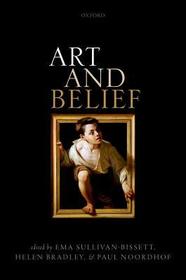
Art and Belief
Sorozatcím: Mind Association Occasional Series;
-
10% KEDVEZMÉNY?
- A kedvezmény csak az 'Értesítés a kedvenc témákról' hírlevelünk címzettjeinek rendeléseire érvényes.
- Kiadói listaár GBP 79.00
-
37 742 Ft (35 945 Ft + 5% áfa)
Az ár azért becsült, mert a rendelés pillanatában nem lehet pontosan tudni, hogy a beérkezéskor milyen lesz a forint árfolyama az adott termék eredeti devizájához képest. Ha a forint romlana, kissé többet, ha javulna, kissé kevesebbet kell majd fizetnie.
- Kedvezmény(ek) 10% (cc. 3 774 Ft off)
- Kedvezményes ár 33 968 Ft (32 351 Ft + 5% áfa)
Iratkozzon fel most és részesüljön kedvezőbb árainkból!
Feliratkozom
37 742 Ft

Beszerezhetőség
Megrendelésre a kiadó utánnyomja a könyvet. Rendelhető, de a szokásosnál kicsit lassabban érkezik meg.
Why don't you give exact delivery time?
A beszerzés időigényét az eddigi tapasztalatokra alapozva adjuk meg. Azért becsült, mert a terméket külföldről hozzuk be, így a kiadó kiszolgálásának pillanatnyi gyorsaságától is függ. A megadottnál gyorsabb és lassabb szállítás is elképzelhető, de mindent megteszünk, hogy Ön a lehető leghamarabb jusson hozzá a termékhez.
A termék adatai:
- Kiadó OUP Oxford
- Megjelenés dátuma 2017. október 26.
- ISBN 9780198805403
- Kötéstípus Keménykötés
- Terjedelem268 oldal
- Méret 241x165x23 mm
- Súly 568 g
- Nyelv angol 0
Kategóriák
Rövid leírás:
Art and Belief presents new work at the intersection of philosophy of mind and philosophy of art. Topics include the cognitive contributions artworks can make, the phenomenon of fictional persuasion, and the nature of aesthetic testimony, and the relation between belief and truth in our experience of art.
TöbbHosszú leírás:
Art and Belief presents twelve new essays at the intersection of philosophy of mind and philosophy of art, particularly to do with the relation between belief and truth in our experience of art. Several contributors discuss the cognitive contributions artworks can make and the questions surrounding these. Can authors of fiction testify to their readers? If they can, are they culpable for the false beliefs of their readers formed in response to their work? If they cannot, that is, if the testimonial powers of authors of fiction are limited, is there some non-testimonial epistemic role that fiction can play? And in any case, is such a role relevant when determining the value of the work?
Also explored are issues concerned with the phenomenon of fictional persuasion, specifically, what is the nature of the attitude involved in such cases (those in which we form beliefs about the real world in response to reading fiction)? If these attitudes are typically unstable, unjustified, and unreliable, does this put pressure on the view that they are beliefs? If these attitudes are beliefs, does this put pressure on the view that all beliefs are aimed at truth?
The final pair of papers in the volume take different stances on the nature of aesthetic testimony, and whether testimony of this kind is a legitimate source of beliefs about aesthetic properties and value.
Tartalomjegyzék:
Introduction
SECTION I: Author Testimony
Fiction, Testimony, Belief, and History
Signposts of Factuality
Truth and Trust in Fiction
SECTION II: Non-Testimonial Epistemic Contributions of Fiction
Literary Fiction and True Beliefs
Belief, Thought and Literature
Imagination that Amounts to Knowledge from Fiction
The Novel as a Source for Self-Knowledge
SECTION III: Belief, Truth, and Attitudes from Fictional Persuasion
Fictional Persuasion, Transparency, and the Aim of Belief
Fictional Persuasion and the Nature of Belief
The Genuine Attitude View of Fictional Belief
SECTION IV: Aesthetic Appreciation and Belief
Against Aesthetic Exceptionalism
Don't Take my Word for It: On Beliefs, Affects, Reasons, Values, Rationality, and Aesthetic Testimony

