

-
10% KEDVEZMÉNY?
- A kedvezmény csak az 'Értesítés a kedvenc témákról' hírlevelünk címzettjeinek rendeléseire érvényes.
- Kiadói listaár GBP 9.99
-
4 510 Ft (4 295 Ft + 5% áfa)
Az ár azért becsült, mert a rendelés pillanatában nem lehet pontosan tudni, hogy a beérkezéskor milyen lesz a forint árfolyama az adott termék eredeti devizájához képest. Ha a forint romlana, kissé többet, ha javulna, kissé kevesebbet kell majd fizetnie.
- Kedvezmény(ek) 10% (cc. 451 Ft off)
- Kedvezményes ár 4 059 Ft (3 866 Ft + 5% áfa)
Iratkozzon fel most és részesüljön kedvezőbb árainkból!
Feliratkozom
4 510 Ft

Beszerezhetőség
Becsült beszerzési idő: A Prosperónál jelenleg nincsen raktáron, de a kiadónál igen. Beszerzés kb. 3-5 hét..
A Prosperónál jelenleg nincsen raktáron.
Why don't you give exact delivery time?
A beszerzés időigényét az eddigi tapasztalatokra alapozva adjuk meg. Azért becsült, mert a terméket külföldről hozzuk be, így a kiadó kiszolgálásának pillanatnyi gyorsaságától is függ. A megadottnál gyorsabb és lassabb szállítás is elképzelhető, de mindent megteszünk, hogy Ön a lehető leghamarabb jusson hozzá a termékhez.
A termék adatai:
- Kiadó OUP Oxford
- Megjelenés dátuma 2021. április 22.
- ISBN 9780198738749
- Kötéstípus Puhakötés
- Terjedelem144 oldal
- Méret 175x112x8 mm
- Súly 114 g
- Nyelv angol
- Illusztrációk 9 black and white images 81
Kategóriák
Rövid leírás:
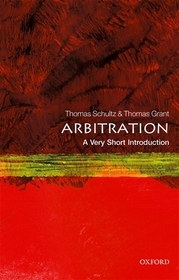
Arbitration is a legal dispute resolution mechanism, alternative to courts. This book explains what arbitration is, how it works, what parties who have agreed to go to arbitration should expect, the relationship between arbitration and the law, and the politics of arbitration. It also considers where the global system of arbitration is headed.
TöbbHosszú leírás:
Very Short Introductions: Brilliant, Sharp, Inspiring
Arbitration is a legal dispute resolution mechanism, alternative to courts. It provides binding decisions, enforceable around the world. It is where parties take their disputes when they have agreed that courts, for one reason or another, do not suit them - which happens more often than one might think. Some of the most politically sensitive disputes on the largest scale go to arbitration. Countries which need to settle their boundaries in areas of the oceans rich in oil, gas and other resources sometimes arbitrate, and much of the war in Sudan was eventually tied up with an arbitration. Investors who have staked billions of dollars in unstable developing countries rely on arbitration clauses to protect their investments. But also much smaller, everyday cases are routinely dealt with by arbitration - millions of consumers, whether they know it or not, enter into arbitration contracts when they conclude routine transactions. Even athletes get involved in arbitration cases of great notoriety, for instance when these relate to doping offences during the Olympic Games.
This Very Short Introduction explains what arbitration is, how it works, what parties who have agreed to go to arbitration should expect, the relationship between arbitration and the law, and the politics of arbitration. It also considers where the global system of arbitration is headed.
ABOUT THE SERIES: The Very Short Introductions series from Oxford University Press contains hundreds of titles in almost every subject area. These pocket-sized books are the perfect way to get ahead in a new subject quickly. Our expert authors combine facts, analysis, perspective, new ideas, and enthusiasm to make interesting and challenging topics highly readable.
Tartalomjegyzék:
Prologue
Where does arbitration come from?
How does arbitration work?
From financial crises to doping disputes: "I will see you in... arbitration!"
Arbitration and the law
The geopolitics of arbitration against governments
Where is arbitration going?
References
Further Reading
Index

