

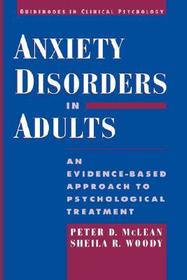
Anxiety Disorders in Adults
An Evidence-Based Approach to Psychological Treatment
Sorozatcím: Guidebooks in Clinical Psychology;
-
10% KEDVEZMÉNY?
- A kedvezmény csak az 'Értesítés a kedvenc témákról' hírlevelünk címzettjeinek rendeléseire érvényes.
- Kiadói listaár GBP 56.00
-
25 284 Ft (24 080 Ft + 5% áfa)
Az ár azért becsült, mert a rendelés pillanatában nem lehet pontosan tudni, hogy a beérkezéskor milyen lesz a forint árfolyama az adott termék eredeti devizájához képest. Ha a forint romlana, kissé többet, ha javulna, kissé kevesebbet kell majd fizetnie.
- Kedvezmény(ek) 10% (cc. 2 528 Ft off)
- Kedvezményes ár 22 756 Ft (21 672 Ft + 5% áfa)
Iratkozzon fel most és részesüljön kedvezőbb árainkból!
Feliratkozom
25 284 Ft

Beszerezhetőség
Megrendelésre a kiadó utánnyomja a könyvet. Rendelhető, de a szokásosnál kicsit lassabban érkezik meg.
Why don't you give exact delivery time?
A beszerzés időigényét az eddigi tapasztalatokra alapozva adjuk meg. Azért becsült, mert a terméket külföldről hozzuk be, így a kiadó kiszolgálásának pillanatnyi gyorsaságától is függ. A megadottnál gyorsabb és lassabb szállítás is elképzelhető, de mindent megteszünk, hogy Ön a lehető leghamarabb jusson hozzá a termékhez.
A termék adatai:
- Kiadó OUP USA
- Megjelenés dátuma 2001. január 18.
- ISBN 9780195116250
- Kötéstípus Keménykötés
- Terjedelem384 oldal
- Méret 153x239x25 mm
- Súly 644 g
- Nyelv angol
- Illusztrációk line figures and tables 0
Kategóriák
Rövid leírás:
This is the second book in Oxford's Guidebooks in Clinical Psychology series. This book provides practical guidelines on the treatment of anxiety disorders (the second most frequent clinical diagnosis), linking guidelines to empirical evidence. The authors review the several classifications of anxiety disorders using the latest DSM-IV categories, covering specific phobias, social phobia, panic disorder and agoraphobia, obsessive-compulsive disorder, and post-traumatic stress disorder, among others. The chapters assess the efficacy of various treatments, and the authors conclude with a discussion of how treatment standards can be implemented in clinical training and practice.
TöbbHosszú leírás:
This is the second book in Oxford's Guidebooks in Clinical Psychology series. This book provides practical guidelines on the treatment of anxiety disorders (the second most frequent clinical diagnosis), linking guidelines to empirical evidence. The authors review the several classifications of anxiety disorders using the latest DSM-IV categories, covering specific phobias, social phobia, panic disorder and agoraphobia, obsessive-compulsive disorder, and post-traumatic stress disorder, among others. The chapters assess the efficacy of various treatments, and the authors conclude with a discussion of how treatment standards can be implemented in clinical training and practice.
Több
