

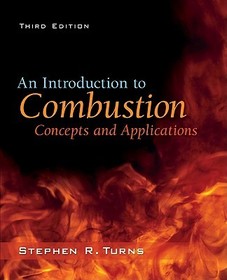
An Introduction to Combustion: Concepts and Applications
Sorozatcím: MECHANICAL ENGINEERING;
-
10% KEDVEZMÉNY?
- A kedvezmény csak az 'Értesítés a kedvenc témákról' hírlevelünk címzettjeinek rendeléseire érvényes.
- Kiadói listaár GBP 242.99
-
109 709 Ft (104 485 Ft + 5% áfa)
Az ár azért becsült, mert a rendelés pillanatában nem lehet pontosan tudni, hogy a beérkezéskor milyen lesz a forint árfolyama az adott termék eredeti devizájához képest. Ha a forint romlana, kissé többet, ha javulna, kissé kevesebbet kell majd fizetnie.
- Kedvezmény(ek) 10% (kb. 10 971 Ft)
- Kedvezményes ár 98 738 Ft (94 037 Ft + 5% áfa)
Iratkozzon fel most és részesüljön kedvezőbb árainkból!
Feliratkozom
109 709 Ft

Beszerezhetőség
Bizonytalan a beszerezhetőség. Érdemes még egyszer keresni szerzővel és címmel. Ha nem talál másik, kapható kiadást, forduljon ügyfélszolgálatunkhoz!
Why don't you give exact delivery time?
A beszerzés időigényét az eddigi tapasztalatokra alapozva adjuk meg. Azért becsült, mert a terméket külföldről hozzuk be, így a kiadó kiszolgálásának pillanatnyi gyorsaságától is függ. A megadottnál gyorsabb és lassabb szállítás is elképzelhető, de mindent megteszünk, hogy Ön a lehető leghamarabb jusson hozzá a termékhez.
A termék adatai:
- Kiadás sorszáma 3
- Kiadó McGraw-Hill Education
- Megjelenés dátuma 2011. február 16.
- ISBN 9780073380193
- Kötéstípus Keménykötés
- Terjedelem752 oldal
- Méret 238x195x33 mm
- Súly 1266 g
- Nyelv angol 0
Kategóriák
Hosszú leírás:
Introduction to Combustion is the leading combustion textbook for undergraduate and graduate students because of its easy-to-understand analyses of basic combustion concepts and its introduction of a wide variety of practical applications that motivate or relate to the various theoretical concepts. This is a text that is useful for junior/senior undergraduates or graduate students in mechanical engineering and practicing engineers.
The third edition updates and adds topics related to protection of the environment, climate change, and energy use. Additionally, a new chapter is added on fuels due to the continued focus on conservation and energy independence.
Introduction to Combustion is the leading combustion textbook for undergraduate and graduate students because of its easy-to-understand analyses of basic combustion concepts and its introduction of a wide variety of practical applications that motivate or relate to the various theoretical concepts. This is a text that is useful for junior/senior undergraduates or graduate students in mechanical engineering and practicing engineers.
The third edition updates and adds topics related to protection of the environment, climate change, and energy use. Additionally, a new chapter is added on fuels due to the continued focus on conservation and energy independence.
TöbbTartalomjegyzék:
Chapter 1: Introduction Chapter 2: Combustion and Thermochemistry Chapter 3: Introduction to Mass Transfer Chapter 4: Chemical Kinetics Chapter 5: Some Important Chemical Mechanisms Chapter 6: Coupling Chemical and Thermal Analyses of Reacting Systems Chapter 7: Simplified Conservation Equations for Reacting Flows Chapter 8: Laminar Premixed Flames Chapter 9: Laminar Diffusion Flames Chapter 10: Droplet Evaporation and Burning Chapter 11: Introduction to Turbulent Flows Chapter 12: Turbulent Premixed Flames Chapter 13: Turbulent Nonpremixed Flames Chapter 14: Burning of Solids Chapter 15: Emissions Chapter 16: Detonations Chapter 17: Fuels Appendix A: Selected Thermodynamic Properties of Gases Comprising C
-H
-O
-N System Appendix B: Fuel Properties Appendix C: Selected Properties of Air, Nitrogen, and Oxygen Appendix D: Binary Diffusion Coefficients and Methodology for their Estimation Appendix E: Generalized Newton's Method for the Solution of Nonlinear Equations Appendix F: Computer Codes for Equilibrium Products of Hydrocarbon
-Air Combustion
Több
Chapter 3: Introduction to Mass Transfer Chapter 4: Chemical Kinetics Chapter 5: Some Important Chemical Mechanisms Chapter 6: Coupling Chemical and Thermal Analyses of Reacting Systems Chapter 7: Simplified Conservation Equations for Reacting Flows Chapter 8: Laminar Premixed Flames Chapter 9: Laminar Diffusion Flames Chapter 10: Droplet Evaporation and Burning Chapter 11: Introduction to Turbulent Flows Chapter 12: Turbulent Premixed Flames Chapter 13: Turbulent Nonpremixed Flames Chapter 14: Burning of Solids Chapter 15: Emissions Chapter 16: Detonations Chapter 17: Fuels Appendix A: Selected Thermodynamic Properties of Gases Comprising C
-H
-O
-N System Appendix B: Fuel Properties Appendix C: Selected Properties of Air, Nitrogen, and Oxygen Appendix D: Binary Diffusion Coefficients and Methodology for their Estimation Appendix E: Generalized Newton's Method for the Solution of Nonlinear Equations Appendix F: Computer Codes for Equilibrium Products of Hydrocarbon
-Air Combustion
Több
Chapter 5: Some Important Chemical Mechanisms Chapter 6: Coupling Chemical and Thermal Analyses of Reacting Systems Chapter 7: Simplified Conservation Equations for Reacting Flows Chapter 8: Laminar Premixed Flames Chapter 9: Laminar Diffusion Flames Chapter 10: Droplet Evaporation and Burning Chapter 11: Introduction to Turbulent Flows Chapter 12: Turbulent Premixed Flames Chapter 13: Turbulent Nonpremixed Flames Chapter 14: Burning of Solids Chapter 15: Emissions Chapter 16: Detonations Chapter 17: Fuels Appendix A: Selected Thermodynamic Properties of Gases Comprising C
-H
-O
-N System Appendix B: Fuel Properties Appendix C: Selected Properties of Air, Nitrogen, and Oxygen Appendix D: Binary Diffusion Coefficients and Methodology for their Estimation Appendix E: Generalized Newton's Method for the Solution of Nonlinear Equations Appendix F: Computer Codes for Equilibrium Products of Hydrocarbon
-Air Combustion
Több
Chapter 7: Simplified Conservation Equations for Reacting Flows Chapter 8: Laminar Premixed Flames Chapter 9: Laminar Diffusion Flames Chapter 10: Droplet Evaporation and Burning Chapter 11: Introduction to Turbulent Flows Chapter 12: Turbulent Premixed Flames Chapter 13: Turbulent Nonpremixed Flames Chapter 14: Burning of Solids Chapter 15: Emissions Chapter 16: Detonations Chapter 17: Fuels Appendix A: Selected Thermodynamic Properties of Gases Comprising C
-H
-O
-N System Appendix B: Fuel Properties Appendix C: Selected Properties of Air, Nitrogen, and Oxygen Appendix D: Binary Diffusion Coefficients and Methodology for their Estimation Appendix E: Generalized Newton's Method for the Solution of Nonlinear Equations Appendix F: Computer Codes for Equilibrium Products of Hydrocarbon
-Air Combustion
Több
Chapter 9: Laminar Diffusion Flames Chapter 10: Droplet Evaporation and Burning Chapter 11: Introduction to Turbulent Flows Chapter 12: Turbulent Premixed Flames Chapter 13: Turbulent Nonpremixed Flames Chapter 14: Burning of Solids Chapter 15: Emissions Chapter 16: Detonations Chapter 17: Fuels Appendix A: Selected Thermodynamic Properties of Gases Comprising C
-H
-O
-N System Appendix B: Fuel Properties Appendix C: Selected Properties of Air, Nitrogen, and Oxygen Appendix D: Binary Diffusion Coefficients and Methodology for their Estimation Appendix E: Generalized Newton's Method for the Solution of Nonlinear Equations Appendix F: Computer Codes for Equilibrium Products of Hydrocarbon
-Air Combustion
Több
Chapter 11: Introduction to Turbulent Flows Chapter 12: Turbulent Premixed Flames Chapter 13: Turbulent Nonpremixed Flames Chapter 14: Burning of Solids Chapter 15: Emissions Chapter 16: Detonations Chapter 17: Fuels Appendix A: Selected Thermodynamic Properties of Gases Comprising C
-H
-O
-N System Appendix B: Fuel Properties Appendix C: Selected Properties of Air, Nitrogen, and Oxygen Appendix D: Binary Diffusion Coefficients and Methodology for their Estimation Appendix E: Generalized Newton's Method for the Solution of Nonlinear Equations Appendix F: Computer Codes for Equilibrium Products of Hydrocarbon
-Air Combustion
Több
Chapter 13: Turbulent Nonpremixed Flames Chapter 14: Burning of Solids Chapter 15: Emissions Chapter 16: Detonations Chapter 17: Fuels Appendix A: Selected Thermodynamic Properties of Gases Comprising C
-H
-O
-N System Appendix B: Fuel Properties Appendix C: Selected Properties of Air, Nitrogen, and Oxygen Appendix D: Binary Diffusion Coefficients and Methodology for their Estimation Appendix E: Generalized Newton's Method for the Solution of Nonlinear Equations Appendix F: Computer Codes for Equilibrium Products of Hydrocarbon
-Air Combustion
Több
Chapter 15: Emissions Chapter 16: Detonations Chapter 17: Fuels Appendix A: Selected Thermodynamic Properties of Gases Comprising C
-H
-O
-N System Appendix B: Fuel Properties Appendix C: Selected Properties of Air, Nitrogen, and Oxygen Appendix D: Binary Diffusion Coefficients and Methodology for their Estimation Appendix E: Generalized Newton's Method for the Solution of Nonlinear Equations Appendix F: Computer Codes for Equilibrium Products of Hydrocarbon
-Air Combustion
Több
Chapter 17: Fuels Appendix A: Selected Thermodynamic Properties of Gases Comprising C
-H
-O
-N System Appendix B: Fuel Properties Appendix C: Selected Properties of Air, Nitrogen, and Oxygen Appendix D: Binary Diffusion Coefficients and Methodology for their Estimation Appendix E: Generalized Newton's Method for the Solution of Nonlinear Equations Appendix F: Computer Codes for Equilibrium Products of Hydrocarbon
-Air Combustion
Több
-H
-O
-N System

