

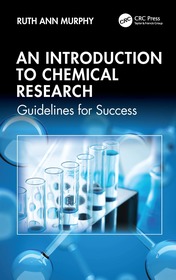
An Introduction to Chemical Research
Guidelines for Success
-
10% KEDVEZMÉNY?
- Kiadói listaár GBP 52.99
-
25 315 Ft (24 110 Ft + 5% áfa)
Az ár azért becsült, mert a rendelés pillanatában nem lehet pontosan tudni, hogy a beérkezéskor milyen lesz a forint árfolyama az adott termék eredeti devizájához képest. Ha a forint romlana, kissé többet, ha javulna, kissé kevesebbet kell majd fizetnie.
- Kedvezmény(ek) 10% (cc. 2 532 Ft off)
- Kedvezményes ár 22 784 Ft (21 699 Ft + 5% áfa)
22 784 Ft

Beszerezhetőség
Még nem jelent meg, de rendelhető. A megjelenéstől számított néhány héten belül megérkezik.
Why don't you give exact delivery time?
A beszerzés időigényét az eddigi tapasztalatokra alapozva adjuk meg. Azért becsült, mert a terméket külföldről hozzuk be, így a kiadó kiszolgálásának pillanatnyi gyorsaságától is függ. A megadottnál gyorsabb és lassabb szállítás is elképzelhető, de mindent megteszünk, hogy Ön a lehető leghamarabb jusson hozzá a termékhez.
A termék adatai:
- Kiadás sorszáma 1
- Kiadó CRC Press
- Megjelenés dátuma 2026. április 16.
- ISBN 9781032466392
- Kötéstípus Puhakötés
- Terjedelem364 oldal
- Méret 234x156 mm
- Nyelv angol 700
Kategóriák
Hosszú leírás:
This user-friendly student text presents a comprehensive and novel approach to preparation for chemical research. It can be adopted as a textbook for research courses and also for individual study. The author provides both undergraduate and graduate students with the necessary information for launching a research study. Useful details such as ordering supplies and dealing with granting foundations are included. Even working with maintenance crews is discussed. The text saves research directors valuable time in the development of courses, and it even highlights foundational material with examples and case studies from the research world. It serves as the "go-to" text and first resource in the exciting field of chemical research.
Key Features
- An A-to-Z guide for anyone in chemical research, the text offers practical information grounded in scientific principles.
- Provides end-of-chapter problems for additional study.
- An inclusive international approach highlights contributions of scientists from around the world.
- An excellent, user friendly and thought-provoking presentation which will appeal to students with little or no science background.
- This text focuses on chemistry but is a valuable guide and resource for research in other sciences including biology, environmental science, geology, physics, and more.
If you are looking for the 101st way to functionalize a CH group in an organic molecule that resists your ministrations, this book is not the place to look for it. But it you want a balanced view of the life skills that you need to make a living in chemistry, and have fun doing it, Ruth Ann Murphy’s book is a wonderful introduction. It ranges widely, from what chemistry is to how to apply to graduate school, and how to write proposals and obtain funding. It also has some fascinating vignettes of the chemical life, even in the sections you might think would be boring, like laboratory safety. The overall aim of chemistry, to help build a better world for all, is not lost. “An Introduction to Chemical Research” is an excellent book, covering in unpretentious language practical matters that a chemistry student will face in their life.
Roald Hoffmann, PhD, Chemist and Writer
Nobel Laureate in Chemistry
Frank H. T. Rhodes Professor, Emeritus Cornell University
Having developed professional and academic textbooks since 1997 with pioneering authors like Steven S. Zumdahl, I know what defines a field-leading text. I’ve had the privilege of working with Dr. Murphy at UMHB since 2017, and her profound expertise illuminates every page of this new book on chemical research.
The book’s brilliant framework guides readers through the foundational “five Ws” of research before masterfully integrating the “how,” creating a comprehensive and intuitive learning path. Dr. Murphy grounds this journey in the scientific method itself, connecting the philosophy of Bacon to the practical genius of Galileo, who pioneered the rigorous application of mathematics to experimental observation. This approach makes the text both practical and insightful, covering essential skills from lab safety and the use of electronic notebooks to modern challenges like the ethics of AI in research. Real-world case studies on discoveries like penicillin and Teflon further bridge theory with application, making Dr. Murphy’s experience as a top-level educator evident in every chapter.
Dr. Murphy has not just written a textbook; she has set a new gold standard by creating an indispensable guide for the complete researcher. The book wisely demystifies the profession, emphasizing that success hinges not on genius, but on being “prepared, diligent, teachable, and collaborative.” By shaping not just the student’s methods but also their mindset, this groundbreaking work will inspire the next generation of scientists. For any serious student or practitioner in the field, this text is destined to become the new benchmark.
Thomas P. Martin
M.S., Chemistry
Adjunct Instructor of Chemistry
University of Mary Hardin-Baylor
Introduction to Chemical Research A Guideline for Success by Dr. Ruth Ann Murphy is a textbook that focuses on chemical research. It focuses on a wide range of aspects of chemical research including the definition of research, how to conduct research, and how to present research. The entire textbook was informative and enjoyable to read. This report focuses on three chapter I found particularly useful: “Chapter 10. Topic Selection: A Seed of Chemical Research,” “Chapter 20. Sharing Chemical Research: Written Presentations,” and “Chapter 21. Sharing Chemical Research: Spoken Presentations.”
“Chapter 10. Topic Selection: A Seed of Chemical Research” focused on how to choose a research topic. It went over important things to consider when choosing a research topic such as funding and completion time frame. The chapter stressed the importance of choosing a topic that is interesting to the research while still considering practical factors such as the need for research in the chosen field and the time it would take to complete the research. I found this chapter useful because choosing a topic to research is somewhat difficult to me, and this chapter outlined how to choose a topic in a clear concise way with helpful examples that adequately demonstrated the concept being discussed. It also gave examples of where ideas for research topics can come from, such as conversations with colleagues, literary research, and Artificial Intelligence (AI). The variety of sources listed in the textbook illustrated how many different viable sources can be used in chemical research. The inclusion of AI in this list was notable. Many people see AI as either good or bad, with no middle ground. However, this book claimed it was a viable tool, if it is used properly, and cited responsibly. I found this point to be a well thought out approach to the use of Artificial Intelligence in scientific pursuits.
“Chapter 20. Sharing Chemical Research: Written Presentations” focused on how writing is used throughout the research process. It covered numerous types of writing needed in research and did not limit itself to the cumulative presentation of chemical research, but also various types of written communication used during the research process. It gave a detailed description of what each type of writing should include, with examples of each section. It also went into detail of what level of formality is expected for each type of written communication. I found this chapter helpful because it was not limited to formal publications. Many courses skip over how to use the less formal types of communication such as letters, emails, and text messages, in research in favor of formal publications such as journal articles and poster presentations. This results in many undergraduate students not knowing what type of communication is appropriate in different situations, and they often come across as overly informal or rude when communicating with authoritative figures. Since the chapter discussed both sides of formal communication, it is a valuable tool for students trying to communicate with their professors, fellow researchers and superiors in addition to being helpful a guideline for experienced researchers throughout the research process.
“Chapter 21. Sharing Chemical Research: Spoken Presentations” focused on the importance of oral communication in research. It discussed formal presentations as well as general communication strategies that can be used during the research process. Like chapter 20, I enjoyed how the chapter did not skip over the less formal types of communication used in the lab. I found “Table 21.2 Some Suggested Power Phrases for Chemical Research” especially useful. It not only gave phrases that are beneficial for communication, but it also gave a description of how they can be used, and why they are a good alternative to other phrases. As someone who struggles with communication, especially conversations, I found the explanation of why the phrase is best to be incredibly helpful in understanding the chapter. Additionally, the chapter consistently gave feasible ways to improve communication in presentations, meetings, debates, and general communication in the lab. The section on debates was enlightening because I was unaware that this form of communication was a necessary skill in chemistry research. The textbook explained when and why debates are used in chemical research in addition to giving suggestions on how to improve the skill.
The chapters stated here are just three examples of how this textbook is a valuable tool for learning about the research process. The book gave clear guidelines on how each aspect of research should be approached, with examples that supported those points by showing how following the guidelines benefited the research process. The textbook was easy to read without feeling overly simplified. Overall, this book serves as an excellent resource for undergraduate students preparing to start research for the first time, undergraduate and graduate students working under experienced researchers, and for chemists starting their own research process. It would be an excellent addition to any undergraduate research or introduction to research course.
Amber Marie Dickey
B.S. Chemistry, UMHB, 2025
Több

