

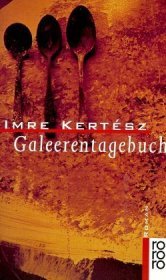
Galeerentagebuch
3 374 HUF
3 206 HUF
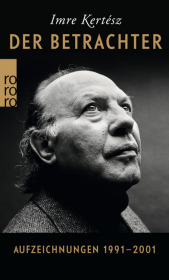
Der Betrachter: Aufzeichnungen 1991-2001
3 902 HUF
3 707 HUF
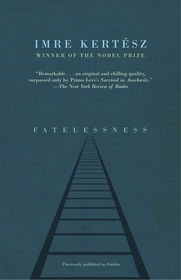
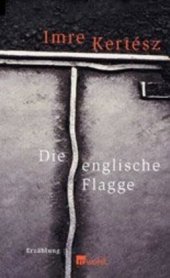
Die englische Flagge
5 038 HUF
4 786 HUF
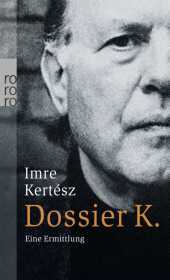
Dossier K.: Eine Ermittlung
3 495 HUF
3 321 HUF

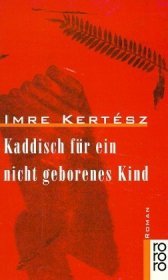
Kaddisch für ein nicht geborenes Kind: Roman
6 601 HUF
6 270 HUF
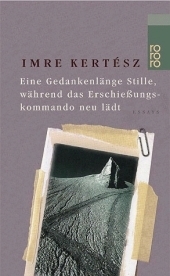
Eine Gedankenlänge Stille, während das Erschießungskommando neu lädt: Essays
2 929 HUF
2 783 HUF
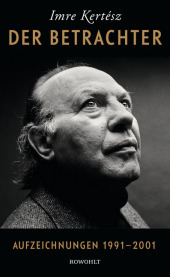
Der Betrachter: Aufzeichnungen 1991 - 2001
7 792 HUF
7 402 HUF
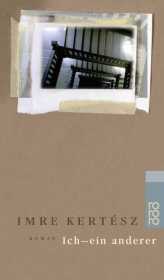
Ich - ein anderer: Roman
2 929 HUF
2 783 HUF

Letzte Einkehr: Tagebücher 2001-2009. Mit einem Prosafragment
9 745 HUF
9 258 HUF
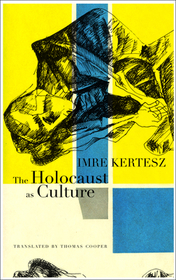
The Holocaust as Culture Imre Kertesz
5 192 HUF
4 673 HUF
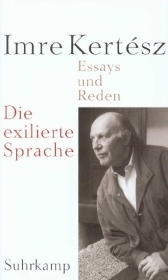
Die exilierte Sprache: Essays und Reden. Vorw. v. Peter Nadas
3 886 HUF
3 692 HUF
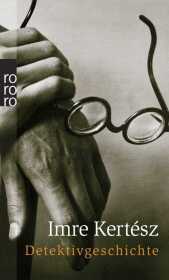
Detektivgeschichte
3 085 HUF
2 931 HUF
Detektivgeschichte
5 038 HUF
4 786 HUF
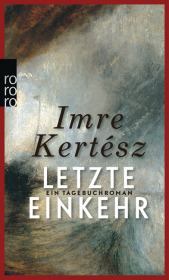
Letzte Einkehr: Ein Tagebuchroman
4 292 HUF
4 078 HUF
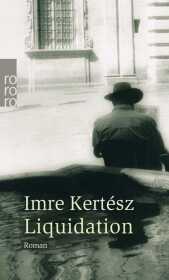
Liquidation: Roman
3 511 HUF
3 336 HUF
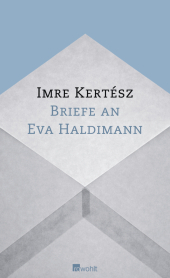
Briefe an Eva Haldimann
6 601 HUF
6 270 HUF
Who was Imre Kertész?
Imre Kertész (1929–2016) was a Hungarian novelist, essayist, and Holocaust survivor. Deported to Auschwitz at the age of 14, he later transformed his personal tragedy into a lifelong examination of individual fate under oppressive regimes. He was the first Hungarian writer to receive the Nobel Prize in Literature.
What are the characteristics of Imre Kertész’s writing style?
Kertész’s writing is precise, introspective, and philosophically rigorous. His prose is marked by moral seriousness, restrained language, and an uncompromising examination of freedom, responsibility, and historical trauma.
Who is Imre Kertész’s main audience?
His works primarily address adult readers interested in serious literary fiction, philosophy, history, and the ethical questions raised by dictatorship, war, and genocide.
When did he win the Nobel Prize in Literature?
Imre Kertész was awarded the Nobel Prize in Literature in 2002 for “writing that upholds the fragile experience of the individual against the barbaric arbitrariness of history.”
Why read Imre Kertész books?
Kertész’s works remain essential reading for several reasons:
Universal human themes
His novels address questions of fate, freedom, identity, and moral responsibility that transcend historical context.
Nobel Prize–winning literature
As one of Hungary’s two Nobel Prize–winning novelists, his books hold a unique place in world literature.
A bridge between history and fiction
Drawing on real historical events, his fiction transforms lived experience into profound philosophical literature.What are the most famous Imre Kertész books?
The following works are among his most widely read and translated titles:
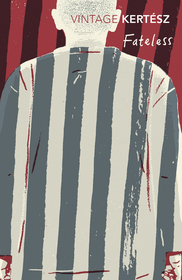
Fatelessness
His internationally acclaimed masterpiece, based on his teenage years during the Holocaust.
Kaddish for an Unborn Child
A deeply personal and painful reflection on trauma, identity, and the refusal of fatherhood.
Liquidation
A novel exploring the fate of writers, memory, and artistic responsibility in Hungary after the 1990 change of regime.
The Pathseeker
A philosophical novella questioning truth, freedom, and the nature of state authority.In what order should you read the works of Imre Kertész?
Many readers begin with Fatelessness as a foundation, followed by Kaddish for an Unborn Child and Liquidation, which deepen and expand the themes introduced in his earlier work.
Related authors to explore
Readers interested in Kertész’s work may also explore other major Hungarian authors such as Péter Nádas, Péter Esterházy, and László Krasznahorkai, whose writings engage deeply with history and moral responsibility. Beyond Hungarian literature, readers may also appreciate authors including Primo Levi, Paul Celan, Albert Camus, Elie Wiesel, Aleksandr Solzhenitsyn, and W. G. Sebald.
Why should you buy Imre Kertész books from Prospero?
- Extensive selection of English and German editions.
- Trusted bookstore with 30+ years of experience.
- Fast availability depending on publisher stock.
- Pre-order options for new editions and reprints.
- Competitive pricing for imported literature.
- Highly rated source for Hungarian literature in translation.

