

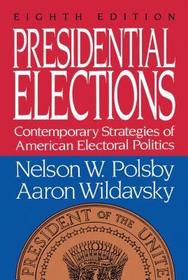
Presidential Elections
Contemporary Strategies of American Electoral Politics
-
GET 20% OFF
- Publisher's listprice GBP 24.99
-
11 282 Ft (10 745 Ft + 5% VAT)
The price is estimated because at the time of ordering we do not know what conversion rates will apply to HUF / product currency when the book arrives. In case HUF is weaker, the price increases slightly, in case HUF is stronger, the price goes lower slightly.
- Discount 20% (cc. 2 256 Ft off)
- Discounted price 9 026 Ft (8 596 Ft + 5% VAT)
- Discount is valid until: 31 October 2026
9 026 Ft

Availability
Permanently out of stock
Why don't you give exact delivery time?
Delivery time is estimated on our previous experiences. We give estimations only, because we order from outside Hungary, and the delivery time mainly depends on how quickly the publisher supplies the book. Faster or slower deliveries both happen, but we do our best to supply as quickly as possible.
Product details:
- Edition number 8
- Publisher Free Press
- Date of Publication 6 September 1991
- Number of Volumes Trade Paperback
- ISBN 9780029227862
- Binding Paperback
- No. of pages464 pages
- Size 228x152x27 mm
- Weight 690 g
- Language English 0
Categories
Long description:
Full of data and examples from the 2000 and 2004 elections, the eleventh edition of this classic text offers a complete overview of the presidential election process from the earliest straw polls and fundraisers to final voter turnout and exit interview.
Presidential Elections shares comprehensive coverage of the elections of the early 2000s, including campaign strategy, the sequence of electoral events, and the issues, all from the perspective of the various actors in the election process: voters, interest groups, political parties, the media and the candidates themselves.
Nelson Polsby is a master of debunking myths and analyzing trends. In this fortieth birthday edition of Presidential Elections, he continues the tradition he and Aaron Wildavsky established as co-authors and goes one step further in following contemporary trends in frontloading and the regulation of political finance.

