

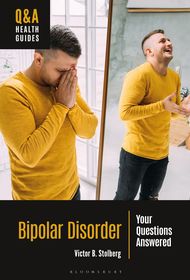
- Publisher's listprice GBP 40.00
-
19 110 Ft (18 200 Ft + 5% VAT)
The price is estimated because at the time of ordering we do not know what conversion rates will apply to HUF / product currency when the book arrives. In case HUF is weaker, the price increases slightly, in case HUF is stronger, the price goes lower slightly.
- Discount 13% (cc. 2 484 Ft off)
- Discounted price 16 626 Ft (15 834 Ft + 5% VAT)
Subcribe now and take benefit of a favourable price.
Subscribe
19 110 Ft

Availability
Not yet published.
Why don't you give exact delivery time?
Delivery time is estimated on our previous experiences. We give estimations only, because we order from outside Hungary, and the delivery time mainly depends on how quickly the publisher supplies the book. Faster or slower deliveries both happen, but we do our best to supply as quickly as possible.
Product details:
- Publisher Bloomsbury Publishing (UK)
- Date of Publication 8 January 2026
- Number of Volumes Hardback
- ISBN 9798765114162
- Binding Hardback
- No. of pages200 pages
- Size 236x160x20 mm
- Weight 480 g
- Language English
- Illustrations 1 bw illus 700
Categories
Short description:
This approachable guide to bipolar disorder follows a Q&A format, addressing common symptoms and treatment options and dispelling harmful misconceptions about the condition.
MoreLong description:
Research suggests that more than 40 million people worldwide are living with bipolar disorder. Discover the truth about this misunderstood and often stigmatized condition.
This book offers a broad introduction to bipolar disorder. The book's questions cover what bipolar disorder is and the forms it can take, its common characteristics, the biological and environmental factors that may increase risk for developing the condition, how bipolar disorder is diagnosed and managed, and how friends and family can best support those living with bipolar disorder.
Augmenting the main text, a collection of 5 case studies illustrate key concepts and issues through relatable stories and insightful recommendations. The Common Misconceptions section at the beginning of the volume dispels 5 long-standing and harmful myths about bipolar disorder, directing readers to additional information in the text. The glossary defines terms that may be unfamiliar to readers, while the directory of resources curates a list of the most useful books, websites, and other materials. Finally, whether they're looking for more information about this subject or any other health-related topic, readers can turn to the Guide to Health Literacy section for practical tools and strategies for finding, evaluating, and using credible sources of health information both on and off the Internet.
Table of Contents:
Series Foreword
Acknowledgements
Introduction
Guide to Health Literacy
Common Misconceptions about Bipolar Disorder
1. Bipolar disorder doesn't really exist and is something that people just need to get over
2. Individuals with bipolar disorder frequently alternate between manic and depressed moods
3. Mood swings are always indicative of bipolar disorder
4. There is a simple test to determine if someone has bipolar disorder
5. Once the symptoms of bipolar disorder are under control, treatment can be stopped
Questions and Answers
General Information
1. What are mood disorders?
2. What is bipolar disorder and are there different types?
3. What other kinds of depressions are there?
4. What are mania and hypomania?
5. How can bipolar disorder affect someone over the course of their life?
6. How prevalent is bipolar disorder and is the condition becoming more common?
7. Is bipolar disorder only an issue in the Western, industrialized world?
8. Historically, how did individuals conceive of the condition we now recognize as bipolar disorder?
9. Historically, what were some of the methods used to treat what we now recognize as bipolar disorder?
10. Who are some famous (or infamous) individuals who had or may have had bipolar disorder?
Causes and Risk Factors
11. Who is most likely to experience bipolar disorder?
12. Is bipolar disorder possible in children?
13. Are there biological or behavioral traits that can help predict who may develop bipolar disorder?
14. What do we know about genetic and familial risks for bipolar disorders?
15. What brain chemicals and structures are involved in bipolar disorder?
16. What is the relationship between stress and bipolar disorder?
17. Is bipolar disorder related to other psychiatric disorders, such as schizophrenia and eating disorders?
Signs, Symptoms, and Diagnosis
18. What are some of the signs and symptoms of bipolar disorder and how do they vary among the different types of bipolar disorder?
19. Why do people with bipolar disorder have bodily symptoms?
20. What is rapid cycling?
21. How is bipolar disorder diagnosed?
22. Why can it be so difficult to assess someone for bipolar disorder?
23. What psychiatric conditions can look like and be confused as a misdiagnosis for bipolar disorder?
24. What other types of medical conditions can present with symptoms like those of bipolar disorder?
Treating and Preventing Bipolar Disorder
25. What steps can be taken to prevent the development of bipolar disorder?
26. What are the consequences of not having effective early intervention and prevention strategies for bipolar disorder?
27. What kinds of specialists can treat and help prevent future episodes of bipolar disorder?
28. Are different types of bipolar disorder treated differently?
29. What medications are commonly used to treat bipolar disorder?
30. Why do some people with bipolar disorder find it difficult to take their medication as prescribed?
31. What are the common side effects of medications prescribed to treat bipolar disorder?
32. Are there ways to monitor and determine if treatments for bipolar disorder are working?
33. What if someone does not respond to a prescribed bipolar medication?
34. What non-drug approaches are used to treat and prevent recurrence of bipolar disorder?
35. What are some complementary health approaches used to treat and prevent bipolar disorder?
36. What are some of the most common negative consequences of untreated bipolar disorder?
37. What are some of the most common negative consequences of untreated bipolar disorder?
38. What are clinical trials and how do they relate to developing new treatments for bipolar disorder?
Living with Bipolar Disorder
39. How can having bipolar disorder impact an individual's daily life, including school, work, and relationships?
40. What approaches do people use to cope with bipolar disorder?
41. Are bipolar disorder and its medications linked to suicide?
42. What are some ways family, friends, and others can help someone with bipolar disorder?
43. What can be done about the social stigma attached to bipolar disorder?
Case Studies
1. Clay Engages in Risky Behaviors
2. Maria's Troubled Family
3. Leslie Has Bipolar II
4. Anxiety Accompanies Rami's Bipolar Disorder
5. Sarah Jane Seeks Help
Directory of Resources
Glossary
Index
About the Author

