

-
20% KEDVEZMÉNY?
- A kedvezmény csak az 'Értesítés a kedvenc témákról' hírlevelünk címzettjeinek rendeléseire érvényes.
- Kiadói listaár GBP 10.99
-
4 961 Ft (4 725 Ft + 5% áfa)
Az ár azért becsült, mert a rendelés pillanatában nem lehet pontosan tudni, hogy a beérkezéskor milyen lesz a forint árfolyama az adott termék eredeti devizájához képest. Ha a forint romlana, kissé többet, ha javulna, kissé kevesebbet kell majd fizetnie.
- Kedvezmény(ek) 20% (cc. 992 Ft off)
- Kedvezményes ár 3 969 Ft (3 780 Ft + 5% áfa)
- A kedvezmény érvényes eddig: 2026. június 30.
Iratkozzon fel most és részesüljön kedvezőbb árainkból!
Feliratkozom
4 961 Ft

Beszerezhetőség
Becsült beszerzési idő: A Prosperónál jelenleg nincsen raktáron, de a kiadónál igen. Beszerzés kb. 3-5 hét..
A Prosperónál jelenleg nincsen raktáron.
Why don't you give exact delivery time?
A beszerzés időigényét az eddigi tapasztalatokra alapozva adjuk meg. Azért becsült, mert a terméket külföldről hozzuk be, így a kiadó kiszolgálásának pillanatnyi gyorsaságától is függ. A megadottnál gyorsabb és lassabb szállítás is elképzelhető, de mindent megteszünk, hogy Ön a lehető leghamarabb jusson hozzá a termékhez.
A termék adatai:
- Kiadó OUP USA
- Megjelenés dátuma 2012. szeptember 27.
- ISBN 9780199812929
- Kötéstípus Puhakötés
- Terjedelem192 oldal
- Méret 137x206x15 mm
- Súly 204 g
- Nyelv angol 0
Kategóriák
Rövid leírás:
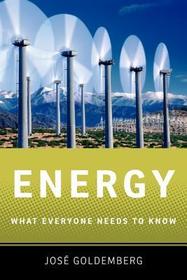
In Energy: What Everyone Needs to Know, Jos-- Goldemberg, a nuclear physicist who has been hailed by Time magazine as one of the world's top "leaders and visionaries of the environment " will take readers through the basics of the world energy system, its problems, and technical as well as non-technical solutions to the most pressing energy issues.
TöbbHosszú leírás:
Without a doubt, the topic of energy--from coal, oil, and nuclear to geothermal, solar and wind--is one of the most pressing across the globe. It is of paramount importance to policy makers, economists, environmentalists, and industry as they consider which technologies to invest in, how to promote use of renewable energy sources, and how to plan for dwindling reserves of non-renewable energy.
In Energy: What Everyone Needs to Know, Jos-- Goldemberg, a nuclear physicist who has been hailed by Time magazine as one of the world's top "leaders and visionaries on the environment," takes readers through the basics of the world energy system, its problems, and the technical as well as non-technical solutions to the most pressing energy problems. Addressing the issues in a Q-and-A format, Goldemberg answers such questions as: What are wind, wave, and geothermal energy? What are the problems of nuclear waste disposal? What is acid rain? What is the greenhouse gas effect? What is Carbon Capture and Storage? What are smart grids? What is the Kyoto Protocol? What is "cap and trade"? The book sheds light on the role of population growth in energy consumption, renewable energy resources, the amount of available energy reserves (and when they will run out), geopolitical issues, environmental problems, the frequency of environmental disasters, energy efficiency, new technologies, and solutions to changing consumption patterns. It will be the first place to look for information on the vital topic of energy.
Tartalomjegyzék:
Preface
Part I: ENERGY - the basic concepts
Chapter 1: ENERGY - the basic concepts
What are forces?
What is work?
What is energy?
Which are the common forces in nature?
What is friction?
How does one measure energy?
Can energy be created from nothing?
What is the First Law of Thermodynamics?
How much energy do humans need to keep alive?
How much energy do humans need for other activities?
What are the sources of energy we use?
What is the origin of the energy we use?
At what rate is energy consumption growing?
What is the role of population growth in energy growth?
Why is energy consumption "per capita " growing?
What is the relationship between energy and development?
What is energy intensity?
What is the Human Development Index (HDI)?
What is the gross national happiness (GNH)?
Part II: THE WORLD'S PRESENT ENERGY SYSTEMS
Chapter 2: Energy Sources
What are the primary energy sources?
What are secondary energy sources?
Why are there losses in converting energy sources?
What is a Sankey diagram?
Chapter 3: Fossil Fuels
What do we know about coal?
What do we know about oil?
What is abiotic oil?
How is the price of oil evolving?
What do we know about gas?
What is the expected life of fossil fuel reserves?
How unevenly are reserves of fossil fuels distributed around the world?
Chapter 4: Renewables
What is biomass?
What are hydroelectric plants?
What is wind energy?
What are photovoltaic panels?
What is solar thermal energy?
What is solar low temperature thermoelectricity?
What is wave energy?
What is tidal energy?
What is geothermal energy?
What is the potential of renewables energies?
How much land is needed to produce energy from renewables?
Chapter 5: Nuclear Power
What is nuclear power?
Why has the growth of nuclear energy declined after 1985?
What are the problems of nuclear waste disposal?
What is the nuclear renaissance?
What is nuclear fusion?
Part III. THE PROBLEMS OF THE PRESENT SYSTEM
Chapter 6: Exhaustion of fossil fuels
Are fossil fuels being exhausted?
What is the "peak oil debate "?
Chapter 7: Energy Security
What is energy security?
What sorts of problems do developing countries face in accessing energy?
Chapter 8: Environmental problems
Why are environmental problem so important today?
Which are the local environmental problems?
What is urban air pollution?
What is indoor air pollution?
Which are the regional environmental problems?
What is acid rain?
Which are the global environmental problems?
What is the greenhouse gas effect?
What is the connection between global warming and energy?
What is the IPCC (International Panel on Climate Change)?
What are the facts concerning climate change?
What are the forecasts of climate models?
What are the environmental impacts from renewable sources?
What are the impacts of hydroelectricity plants?
How serious are oil leakages and spills?
Is deforestation caused by energy use?
What is the Ecological Footprint?
Chapter 8: Energy costs
What are the costs of energy?
What are leaning curves?
What are externalities?
How big are energy subsidies?
Part IV : TECHNICAL SOLUTIONS AND POLICIES
Chapter 9: Energy efficiency
What is the potential of energy efficiency?
What are the advantages of energy efficiency?
What are the barriers to energy conservation?
What is the potential for energy efficiency in power production?
What is the potential of energy efficiency in buildings?
How can we increase energy efficiency in buildings?
What is building retrofitting?
What is the impact of urbanization on energy use?
What is the energy efficiency potential in industry?
What is the energy efficiency potential in transportation?
What is the "rebound " effect?
Chapter 10: Renewables
What are the prospects for increased use for renewables?
Chapter 11: New technologies
What is cogeneration?
What is the role of new technologies for fossil fuels?
What is CCS (Carbon Capture and Storage)
What is the future of transportation?
Are natural gas, liquefied petroleum gas and hydrogen alternatives for
transportation?
Are electrical powered vehicles feasible?
What are fuel cells?
How much progress is being made in battery storage?
What is the role of energy storage?
What is the role of long distance electricity transmission?
What are smart grids?
What are the prospects of biomass?
Is ethanol a good substitute for gasoline?
What are the prospects of biodiesel?
Is there competition between bioenergy and food?
Chapter 12: Policies
What policy targets for renewable energy?
What are biofuels mandates?
What is Renewables Portfolios Standards (RPS)?
What are CAFE standards?
What are "feed in tariffs "?
What is the Climate Convention?
What is the Kyoto Protocol?
What is "cap and trade "?
What are carbon taxes?
What is technological "leapfrogging "?
What is sustainable development?
Part V: NON-TECHNICAL SOLUTIONS
What is the relationship between energy and lifestyles?
Is technological development the only driving force for changing lifestyles?
What is the impact of transportation modes on lifestyles?
What are the major determinants of lifestyles changes?
Appendix I Decimal prefixes
Appendix II Energy units conversion factors

