

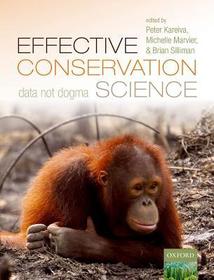
Effective Conservation Science
Data Not Dogma
-
10% KEDVEZMÉNY?
- A kedvezmény csak az 'Értesítés a kedvenc témákról' hírlevelünk címzettjeinek rendeléseire érvényes.
- Kiadói listaár GBP 58.00
-
26 187 Ft (24 940 Ft + 5% áfa)
Az ár azért becsült, mert a rendelés pillanatában nem lehet pontosan tudni, hogy a beérkezéskor milyen lesz a forint árfolyama az adott termék eredeti devizájához képest. Ha a forint romlana, kissé többet, ha javulna, kissé kevesebbet kell majd fizetnie.
- Kedvezmény(ek) 10% (cc. 2 619 Ft off)
- Kedvezményes ár 23 568 Ft (22 446 Ft + 5% áfa)
Iratkozzon fel most és részesüljön kedvezőbb árainkból!
Feliratkozom
26 187 Ft

Beszerezhetőség
Megrendelésre a kiadó utánnyomja a könyvet. Rendelhető, de a szokásosnál kicsit lassabban érkezik meg.
Why don't you give exact delivery time?
A beszerzés időigényét az eddigi tapasztalatokra alapozva adjuk meg. Azért becsült, mert a terméket külföldről hozzuk be, így a kiadó kiszolgálásának pillanatnyi gyorsaságától is függ. A megadottnál gyorsabb és lassabb szállítás is elképzelhető, de mindent megteszünk, hogy Ön a lehető leghamarabb jusson hozzá a termékhez.
A termék adatai:
- Kiadó OUP Oxford
- Megjelenés dátuma 2017. október 12.
- ISBN 9780198808985
- Kötéstípus Puhakötés
- Terjedelem208 oldal
- Méret 247x206x10 mm
- Súly 476 g
- Nyelv angol
- Illusztrációk 45 illustrations 0
Kategóriák
Rövid leírás:
The hope is that this book will lead to greater conservation of ecosystems and biodiversity by harnessing the engine of constructive scientific scepticism in service of better results.
TöbbHosszú leírás:
This novel text assembles some of the most intriguing voices in modern conservation biology. Collectively they highlight many of the most challenging questions being asked in conservation science today, each of which will benefit from new experiments, new data, and new analyses. The book's principal aim is to inspire readers to tackle these uncomfortable issues head-on. A second goal is to be reflective and consider how the field has reacted to challenges to orthodoxy, and to what extent have or can these challenges advance conservation science. Furthermore, several chapters discuss how to guard against confirmation bias. The overall goal is that this book will lead to greater conservation of ecosystems and biodiversity by harnessing the engine of constructive scientific scepticism in service of better results.
This collection does an excellent job of challenging some of the ideas that have established themselves in our belief systems and popular science.
Tartalomjegyzék:
Reproducibility, bias, and objectivity in conservation science
Uncomfortable questions and inconvenient data in conservation science
The thin ice of simplicity in environmental and conservation assessments
Challenges to foundational premises in conservation
The value of ecosystem services: What is the evidence?
Are local losses of biodiversity causing degraded ecosystem function?
Forty years of bias in habitat fragmentation research
Introduced species are not always the enemy of conservation
Novel ecosystems: Can't we just pretend they're not there?
What is the evidence for planetary tipping points?
Adaptability: As important in conservation organizations as it is in species
Food webs with humans: In name only?
Iconic conservation tales: Sorting truth from fiction
Global agricultural expansion - The sky isn't falling (yet)
A good story: Media bias in trophic cascade research in Yellowstone National Park
From Silent Spring to the Frog of War: the forgotten role of natural history in conservation science
How a mistaken ecological narrative could be undermining orangutan conservation
Fealty to symbolism is no way to save salmon
Genetically-modified crops: Frankenfood or environmental boon?
When "sustainable" fishing isn't
Science communication is receiving a lot of attention, but we are not getting much better at it
Questioning accepted strategies and interventions
Overfishing: can we provide food from the sea and protect biodiversity?
Rehabilitating sea otters: feeling good versus being effective
Planning for climate change without climate projections?
Is 'no net loss of biodiversity' a good idea?
Replacing underperforming nature reserves
Conservation in the real world: Pragmatism does not equal surrender
Are payments for ecosystem services benefiting ecosystems and people?
Corporations valuing nature: It's not all about the win-wins
Business as usual leads to underperformance in coastal restoration
Conclusion
If you remember anything from this book, remember this...

